Alpine Currents to the Open Blue

Set your paddle and curiosity to the same cadence as we explore packrafting the Soca, Drava, and Adige, connecting Alpine springs to the Adriatic entirely by human power. This journey blends swift emerald water, quiet reservoirs, historic valleys, and windswept lagoons with mindful portages, train hops, and bike-powered links, inviting you to savor distance differently. Expect practical logistics, moving water skills, cultural encounters, and safety wisdom crafted for a continuous, self-propelled line from mountains to sea.

Mapping a Continuous Line

Imagine tracing a single elegant ribbon across Central Europe, stitched together by paddle strokes, short footpaths, train carriages, and optional cycling links. Soca, Drava, and Adige each offer unique personalities, yet they can be woven into one narrative if you respect seasons, hydropower timetables, and patient route-finding. Here’s how to shape a living itinerary that honors water, terrain, international borders, and your energy, turning a map into an embodied, human-powered passage.

Reading Water, Reading Mountains

Alpine rivers teach through texture. Clear gradients, braided gravels, and bedrock funnels reveal slope, geology, and recent storms. The Soca’s turquoise corridors carve quick puzzles; the Drava’s reservoirs smooth cadence but complicate portages; the Adige’s broad meanders demand wind awareness, ferry angles, and patience. When you learn to interpret eddies like contour lines, you unlock safer decisions, steadier breathing, and the capacity to appreciate history etched into every bend.

Ultralight Systems That Work

When distance is self-powered, grams become choices and choices become freedom. A durable, compact packraft, reliable four-piece paddle, snug PFD, and season-appropriate immersion wear form the core. Add a repair kit you trust in cold fingers. If integrating a bike, keep lash-ups balanced and simple. Dry storage, compact shelter, and versatile layers keep the focus on water and weather, not gear drama. Build a system that disappears beneath the experience.

Packraft and Paddle

Select a boat that balances puncture resistance with fast transitions: lightweight fabric, confident floor, and handling suited for class II–III with occasional pushy pulses. Consider self-bailing versus decked designs based on expected temperatures and splash. Pair with a four-piece paddle around 200–210 centimeters, stiff enough for accuracy yet friendly to joints. Pack a small repair kit, alcohol wipes, and adhesive that cures reliably in mountain chill and damp evening air.

Portage and Pedal

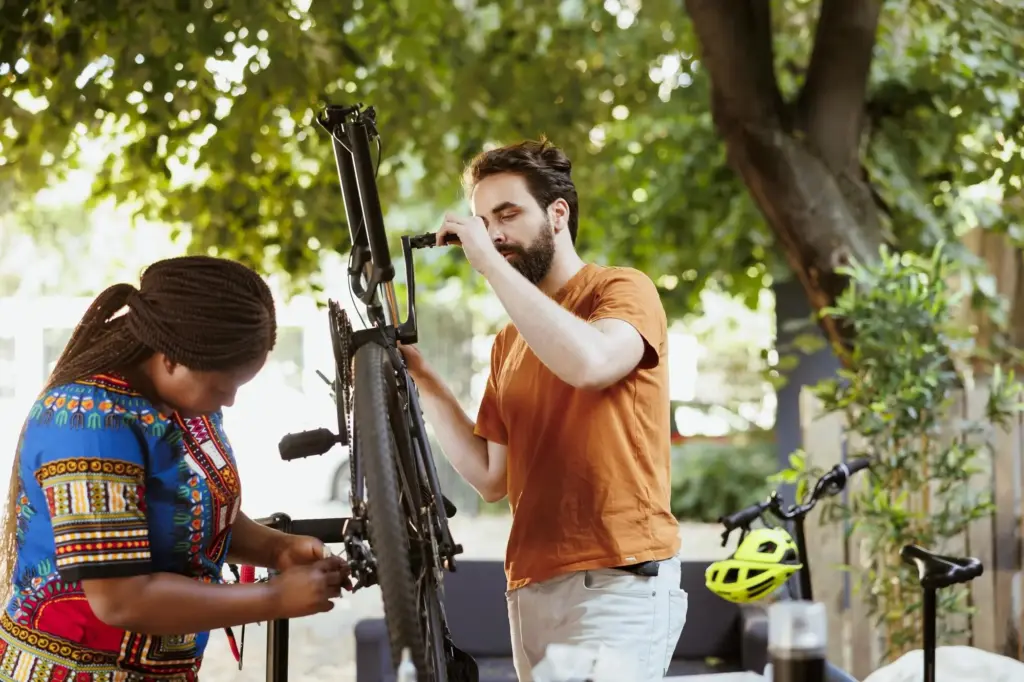
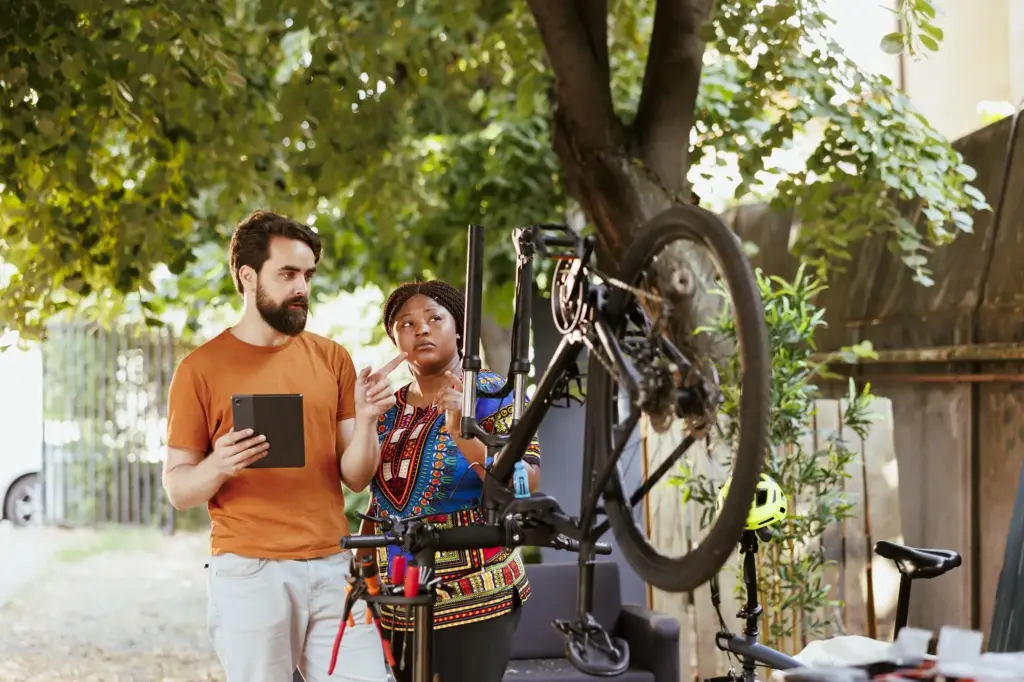
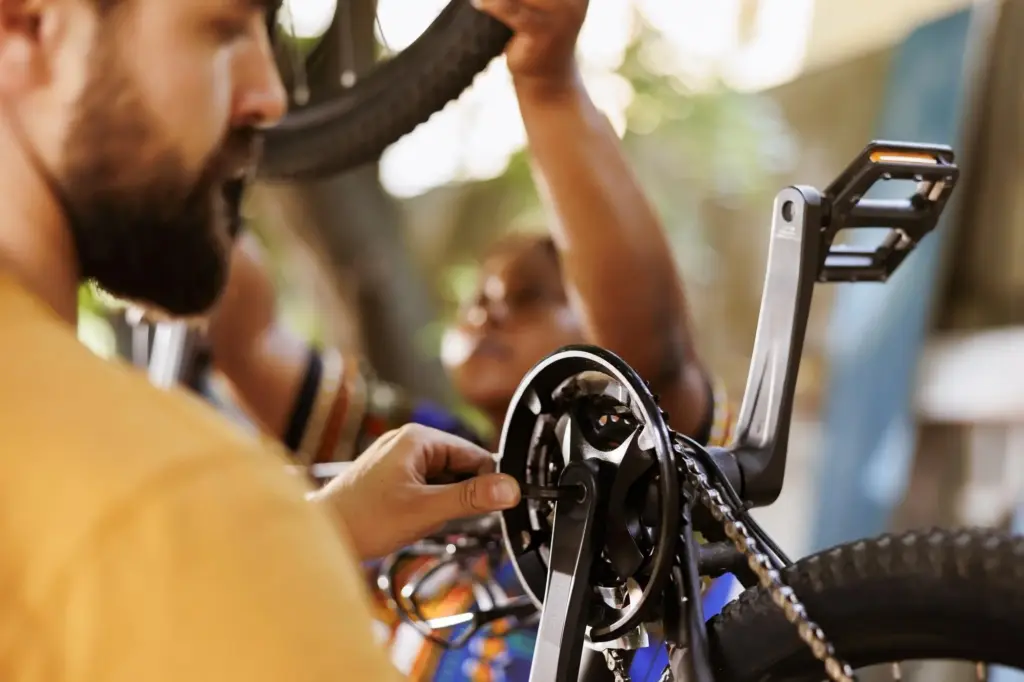
Linking valleys becomes elegant when walking and trains carry part of the load. If you add a bike, prioritize a simple, rigid platform and soft straps over complex racks. Protect tubes from abrasion, center mass, and keep the cockpit uncluttered. Practice fast shoreline transitions. Confirm regional train policies for bikes, note car designations, and expect quotas on weekends. A minimalist foldable trolley or shoulder yoke can turn long dam portages into manageable, repeatable rituals.

Clothing and Safety Kit

Dress for immersion and for waiting in wind. A thin neoprene or drysuit system, merino layers, wind shell, and sun hat cover wide ranges. Helmets, knives, compact throw bags, and whistle-based communication build margin. Add a tiny headlamp, reflective accents, and a power bank. Cellular coverage is often good; a PLB increases reach in remote gorges. Finally, pack sunscreen, blister care, and a ritual of daily gear checks that catches small problems early.

Logistics Beyond the Bend

Trains and Timetables
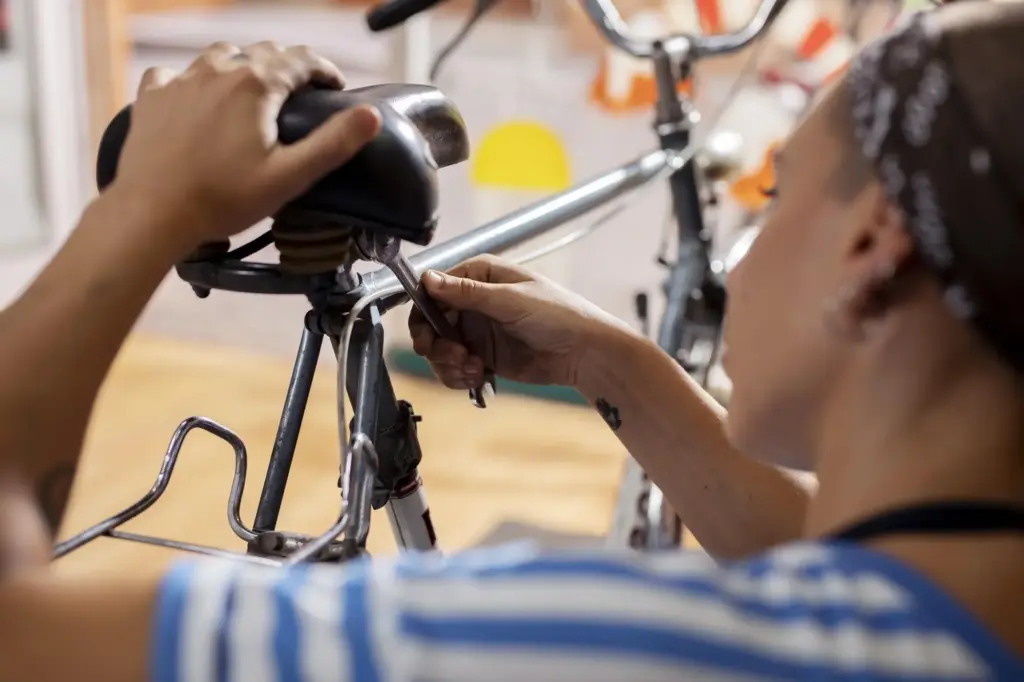
Rail lines mirror river gradients with remarkable fidelity. Expect useful junctions at places like Villach, Tarvisio, Udine, Nova Gorica, Gorizia, Trieste, Trento, Bolzano, and Verona. Regional trains often permit bikes; InterCity services vary. Validate tickets, watch platform screens, and arrive early for bike car space. Build buffers around tight connections. Weather or hydro operations may shift your day; rail flexibility keeps the narrative intact and removes pressure from marginal water conditions.

Permits and Access

Know where paddling is encouraged, tolerated, or restricted. Certain Soca sections integrate with guiding operations and fishing interests; etiquette and permits matter. Hydropower zones along the Drava often require strict portage compliance near dams. On the Adige, navigation norms adapt near towns, levees, and working quays. Triglav National Park and regional reserves prioritize habitat; respect signage and seasonal closures. A small conversation at a local office can unlock clarity and goodwill.

Seasonal Windows

Spring snowmelt brings lively flows, colder water, and fewer crowds. Summer can settle into lower levels with afternoon thunderstorms and valley winds shaping timing. Autumn rains sometimes refresh rapids and paint vineyards gold. Winter, while starkly beautiful, demands advanced cold-water systems. Watch Bora episodes near Trieste, fog in the Adige plain, and sudden releases on the Drava. Plan flexible rest days, early starts, and backup segments that remain satisfying if conditions evolve.

Stories Etched in Water

Routes become memories through moments: steam rising from dawn water, a shared pastry on a small-town bench, or a farm dog escorting you to the levee gate. Conversations with anglers, dam operators, and bakers add nuance to maps. The line from mountains to sea is less about conquest and more about exchange—of greetings, currents, and patience. Collect these fragments gently, and let them outshine any statistic about speed or distance.

A Night by the Lime Kiln

We pitched near an old lime kiln above the valley, the Soca whispering somewhere below limestone ledges. Stars cut through alpine air as wind tugged at guy lines. In the morning, a grandmother offered plums over the fence, asking about our orange boat. We traded a thermos of coffee for directions to a fisherman’s path, then slipped into emerald light, grateful for guidance that never appears on glossy maps or glossy screens.

The Dam Keeper’s Coffee

On the Drava, a dam keeper waved us toward a safe eddy, then poured coffee from a scratched thermos while pointing at surge marks on concrete. He described the sound turbines make before ramp-up, a note you feel more than hear. We adjusted the day’s plan, portaged extra meters, and learned that respect travels faster than bravado. Later, tailwind on the reservoir felt like a thank-you from water we had finally listened to carefully.

Stewardship, Safety, and Community

Respect the Living Corridor

Rivers connect habitats as surely as towns. Gravel bars host insects, fish nurseries, and ground-nesting birds; vegetation stabilizes banks; cultural sites line overlooks. Avoid trampling fragile zones, drifting through active angling water, or broadcasting music. Fire bans protect more than forests—they protect relationships. Use existing campsites, small flames when permitted, and quiet mornings. A smile, a wave, and a careful landing turn suspicion into welcome, and welcome into long-term access for everyone.

Risk Framework You Can Trust

Adopt a simple playbook: water level checks, honest skill appraisal, shore-based scouting, and clear group signals. Predefine abort points before committing to canyons or long levee stretches. Favor short, frequent communication over hero moves. Gear redundancy matters more than gadget novelty. Weather nowcasts and local observations beat distant forecasts. If doubt grows, step out, walk, or take a train. Flexibility preserves the story and ensures you return eager for the next current.

Join the Conversation

We’d love to learn from your crossings, shortcuts, and misadventures that became wisdom. Share comments, subscribe for upcoming route refinements, and send photos of quiet eddies that felt like home. Offer gauge notes, portage updates, campsite etiquette wins, and mistakes you will not repeat. Help map meet kindness, and kindness meet miles. Together we’ll refine safer, lighter, more generous ways to connect the Soca, Drava, and Adige from alpine brightness to salty blue.
Tavokentolumalivodaxi
Privacy Overview

This website uses cookies so that we can provide you with the best user experience possible. Cookie information is stored in your browser and performs functions such as recognising you when you return to our website and helping our team to understand which sections of the website you find most interesting and useful.